Choosing where to have vision correction surgery is one of the most important decisions you’ll make for your eyes. For years, modern vision correction practices like Dell Laser Consultants in Austin, TX have been pioneering innovative procedures that go well beyond basic LASIK. These specialized centers offer distinct advantages over traditional ophthalmology practices, with quicker procedures, shorter recovery times, and outstanding long-term results.
Wondering what truly sets these specialized centers apart from traditional practices? Keep reading to discover answers to the most common questions about modern vision correction practices and why the specialized approach makes all the difference!
How Does a Specialized Vision Correction Practice Differ from a Traditional Ophthalmology Practice?
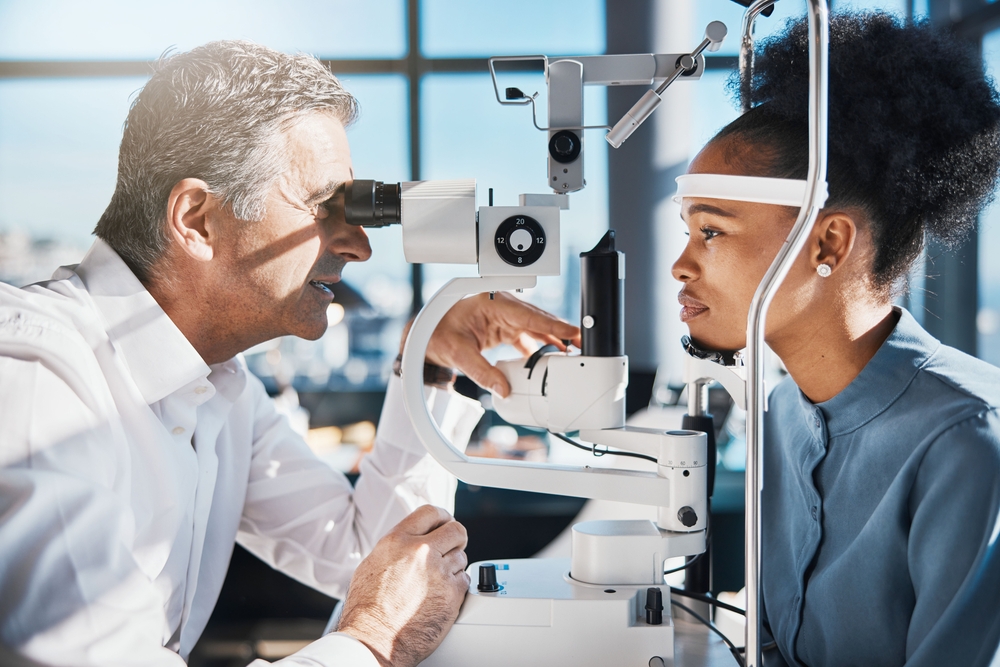
Traditional ophthalmology practices typically function as broad-spectrum eye care facilities. They manage everything from routine eye exams and glasses prescriptions to treating conditions like glaucoma, cataracts, and macular degeneration across nine or more subspecialties.
A specialized vision correction practice like Dell Laser Consultants have a specialized focus on vision correction procedures. This allows for enhanced expertise in specific procedures, greater investment in specialized technology, more personalized approaches to vision correction, and higher procedure volumes, leading to refined techniques and better outcomes.
When a practice performs hundreds or thousands of vision correction procedures annually rather than dozens, surgeons develop an intuitive understanding of subtle variations in corneal architecture, healing responses, and the best treatment parameters that only comes with focused specialization.
What Advanced Procedures Are Available Beyond Basic LASIK?
While LASIK remains popular, modern vision correction now encompasses a comprehensive suite of advanced procedures tailored to each patient’s unique eye characteristics.
SMILE (Small Incision Lenticule Extraction)
During SMILE, an eye surgeon creates a small disc of tissue within the cornea using a laser, which is then removed through a tiny incision. The minimal disruption to corneal nerves often results in reduced dry eye symptoms, making it excellent for patients with active lifestyles.
This minimally invasive approach preserves more of the cornea’s structural integrity and biomechanical strength. The minimal disruption to corneal nerves often results in reduced dry eye symptoms, making it excellent for patients with active lifestyles, athletes, or those who work in dusty or dry environments. Since there’s no corneal flap, there are no concerns about flap-related complications, providing added peace of mind for patients who lead physically demanding lives.
Recovery from SMILE is typically quick, with most patients experiencing minimal discomfort and returning to normal activities within a day or two. The procedure’s precision allows for correction of nearsightedness and astigmatism with exceptional accuracy, and ongoing research continues to expand its applications. Many patients also appreciate that SMILE preserves the option for future enhancement procedures if vision changes occur years later.
Refractive Lens Exchange (RLE)

RLE has revolutionized vision correction for patients over 40 experiencing presbyopia (age-related difficulty focusing on near objects). RLE replaces the eye’s natural lens with an advanced intraocular lens implant that can correct nearsightedness, farsightedness, astigmatism, and presbyopia simultaneously, offering comprehensive vision correction that traditional LASIK cannot provide.
What many patients like most about the RLE is the variety of premium lens options available. Multifocal lenses give you clear vision at multiple distances, extended depth of focus lenses offer a smooth range of vision, and toric lenses correct astigmatism along with other vision issues.
For patients with strong prescriptions or early cataracts, RLE addresses current vision problems while preventing future cataract surgery, since the artificial lens can’t develop cataracts, you can enjoy clear vision for decades. The procedure itself takes about 15-20 minutes per eye, and most patients notice improved vision within a day or two. Because the artificial lens is permanent, the results are stable and long-lasting. Unlike LASIK, which corrects vision by reshaping the cornea, RLE works by replacing the lens inside your eye, making it ideal for people whose prescriptions are too strong for laser correction or whose corneas aren’t suitable for reshaping.
Light Adjustable Lens (LAL)
Light Adjustable Lens technology allows for unprecedented precision in lens replacement surgery. These special lenses can be precisely customized using light treatment sessions after cataract or RLE surgery, letting patients “test drive” their vision before it’s permanently set.
EVO ICL
The EVO Implantable Collamer Lens provides another option for patients with high refractive errors or thin corneas who may not be ideal candidates for laser vision correction. Unlike LASIK, these lenses are added to your eye rather than removing tissue, preserving your eye’s natural state while giving you sharper vision.
Made from a biocompatible material called Collamer, this soft, flexible lens sits between your iris and natural lens, where no one can see it. The lens has a small opening in the center that lets fluid flow naturally through your eye.
EVO ICL is especially valuable for younger patients with high prescriptions who want freedom from glasses and contacts but aren’t good candidates for laser correction. Since nothing is removed from the cornea, your natural eye structure remains intact. One of the best features is that it’s reversible. So, if the lens ever needs to be removed or replaced down the road, that is an option.
The procedure to implant an EVO ICL takes roughly 20-30 minutes and is performed on an outpatient basis. Your surgeon makes a tiny incision to insert the folded lens, which then gently unfolds into position. Because the incision is so small, it typically heals on its own without stitches. Most people experience improved vision the same day, though you’ll need someone to drive you home after the procedure.
Why Does Specialization Lead to Better Patient Outcomes?
At specialized vision correction practices, the entire patient experience is designed around refractive procedures. From the diagnostic equipment to the surgical technology, every aspect of the practice is optimized for vision correction excellence.
The evaluation process at specialized practices typically includes advanced diagnostic technologies. These might include epithelial thickness mapping, wavefront aberrometry, and ultra-high-resolution imaging systems that can pick up on subtle corneal irregularities that are harder to detect with standard equipment.
This specialized approach extends to the surgical team as well. When technicians, nurses, and support staff focus exclusively on vision correction procedures, they develop exceptional proficiency. The result is a seamless surgical experience with minimal variability and optimized outcomes.
How Is the Patient Experience Different at a Modern Vision Correction Center?
From the moment you enter a modern vision correction center like Dell Laser Consultants, the difference is noticeable. Rather than navigating the sometimes confusing world of general eye care with varied conditions and treatments, you encounter a streamlined experience focused on vision correction.
Consultation appointments tend to be more comprehensive, with significantly more time devoted to education and addressing your questions. Rather than feeling like one of many patients with various eye conditions, you receive individualized attention focused specifically on your vision correction goals.
What You Should You Look for When Choosing a Modern Vision Correction Practice

When evaluating vision correction options, consider these factors that distinguish truly modern practices:
A practice that offers multiple vision correction procedures demonstrates a commitment to finding the right solution for each patient rather than fitting all patients to a single procedure. Look for centers that provide LASIK, SMILE, PRK, RLE with premium lens options, and implantable collamer lenses like EVO.
The surgeon’s expertise and specialization matter tremendously. How many procedures has the surgeon performed? Do they participate in clinical research or teach other surgeons? These questions help identify surgeons who have truly mastered their craft.
Advanced technology is essential, but equally important is how that technology is implemented. Modern practices invest in sophisticated diagnostic equipment that creates detailed maps of the eye’s optical system. This comprehensive understanding allows for truly customized treatment.
The most advanced practices participate in ongoing clinical research and often have early access to technologies not yet widely available. This places them at the forefront of vision correction innovation and demonstrates their commitment to advancing the field.
By focusing on helping patients reduce or eliminate their dependence on glasses and contacts, practices like Dell Laser Consultants have elevated vision correction from a procedural service to a transformative experience.
Do you want to learn more about advanced vision correction options beyond LASIK? Schedule a consultation at Dell Laser Consultants in Austin, TX, today!