512-347-0255

Keratoconus and corneal ectasia are progressive conditions. Without treatment, the cornea continues to thin and distort, and vision continues to decline. Corneal cross-linking is the only procedure proven to stop that progression, and it has changed what’s possible for patients who would otherwise face a worsening trajectory.
Dell Laser Consultants has the deepest history with corneal cross-linking of any practice in Austin, and among the deepest in the country.
We performed the FDA clinical trials. Every FDA clinical trial for corneal cross-linking ever conducted in Austin was performed at Dell Laser Consultants. Our participation in that research is what helped make this procedure available to patients across the U.S. today.
Dr. Dell led the national conversation. Dr. Steven Dell served as chairman of the first national meeting on corneal cross-linking in the United States. His early involvement in both the research and the clinical dialogue shaped how this procedure was introduced and adopted nationally.
We were first in Austin. Dell Laser Consultants was the first practice in Austin to offer corneal cross-linking, giving Central Texas patients access to this technology years before it was widely available.
We have more experience here than anyone. We have treated more corneal cross-linking patients in Central Texas than any other clinic. Experience matters when you’re trusting someone with your vision.
Corneal cross-linking is a procedure that strengthens the cornea by creating new bonds within its collagen structure.
The procedure uses two elements working together:
When the riboflavin-saturated cornea is exposed to UVA light, new collagen cross-links form. These bonds reinforce the cornea from within, making it stronger and more resistant to further thinning and distortion.
Cross-linking does not reverse the shape changes that have already occurred. Its goal is to stop the disease in its tracks, and it is highly effective at that. For many patients, it is the most important step in preserving the vision they have.
Cross-linking can be a great option for patients with progressive keratoconus or corneal ectasia, a related condition in which the cornea thins after LASIK or other refractive surgery. Not every patient with keratoconus needs cross-linking immediately, but patients with documented progression are strong candidates.
Children and teenagers with keratoconus are often prioritized for early treatment. Because younger patients tend to progress more rapidly, prompt intervention can make a significant difference in long-term outcomes.
A thorough corneal evaluation is necessary to determine candidacy. At your consultation, our team will assess your corneal maps, thickness measurements, and progression history to determine whether cross-linking is the right step for you.
Before the procedure, you will have a comprehensive evaluation to confirm your diagnosis and document the current state of your corneas. If you wear contact lenses, you will need to stop wearing them for a period of time before your pre-operative measurements.
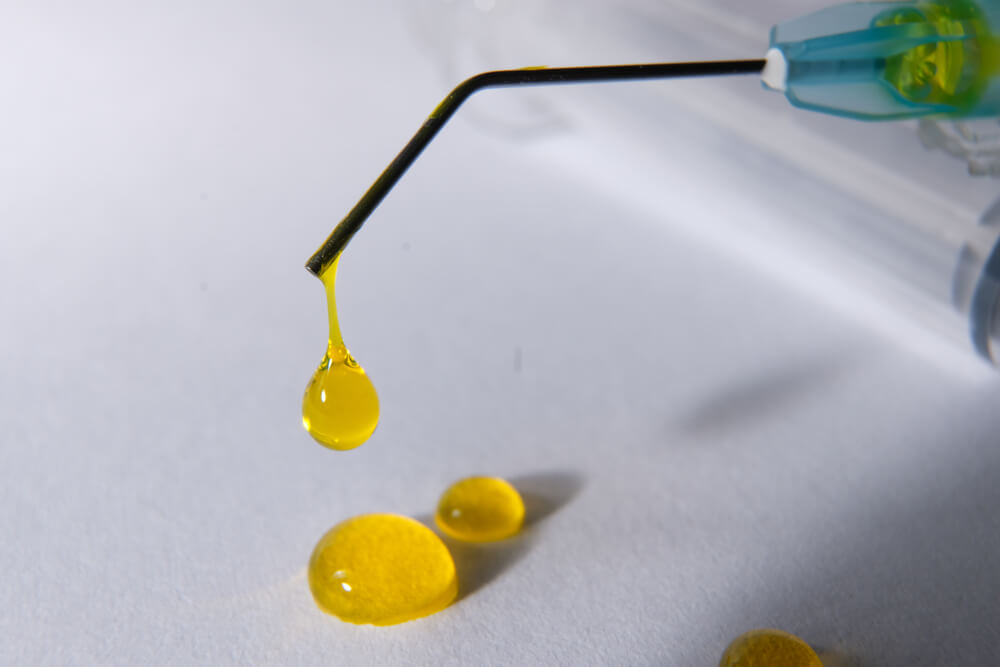
During the procedure, anesthetic eye drops are applied to keep you comfortable. The riboflavin drops are then administered and given time to saturate the cornea, followed by controlled UVA light exposure lasting approximately 30 minutes. Most patients find the experience to be easy, with minimal discomfort.
After the procedure, your eyes will be monitored closely over the following months. Some patients experience temporary light sensitivity, blurred vision, or a foreign body sensation as the cornea heals. These effects typically resolve within the first few weeks. Most patients return to normal activities relatively quickly, though your team will give you specific guidance based on your case.
Cross-linking addresses the underlying problem of corneal instability, but many patients with keratoconus also benefit from additional vision correction options.
Rigid gas permeable (RGP) contact lenses, scleral lenses, and intracorneal ring segments can improve visual quality on top of the stabilization cross-linking provides.
In advanced cases where the cornea has already sustained significant thinning or scarring, a corneal transplant may eventually be necessary. Early cross-linking is one of the most effective ways to reduce the likelihood of reaching that point.
Your treatment plan will depend on where you are in the progression of your condition, and our team will walk you through all of your options at your consultation.
Do you have additional questions about corneal collagen cross-linking in Austin? Schedule an appointment with one of the experienced eye doctors at Dell Laser Consultants in Austin, TX, today!
Our eye surgery facility located at 901 Mopac Expressway South, Barton Oaks Plaza 4, Suite #350 in Austin, TX, is "first class" in every respect. Our laser treatment suites and examination rooms are stocked with a full array of the most up to date equipment and our staff is continually available, friendly, and helpful. If you are seeking an Austin provider that will take the time to find the best vision correction procedure for you and meticulously prepare for your surgery then we are the eye doctors for you.
Contact us today by calling 512-347-0255 for a free no-obligation laser vision correction screening or to schedule a comprehensive consultation.