
You probably don’t spend much time thinking about cataracts in your 40s or 50s. At that age, most people assume their vision changes are just a normal sign of getting older, maybe time for a stronger pair of reading glasses. But cataracts can actually start forming during those years, sometimes long before they cause any noticeable problems.
Because cataracts develop so gradually, many people live with them for years without realizing it. Knowing when they tend to start and what the early signs look like puts you in a much better position to stay ahead of them.
Keep reading to learn when cataracts typically begin, what factors influence how fast they progress, and when cataract surgery may become the right next step!
What Are Cataracts and How Do They Form?
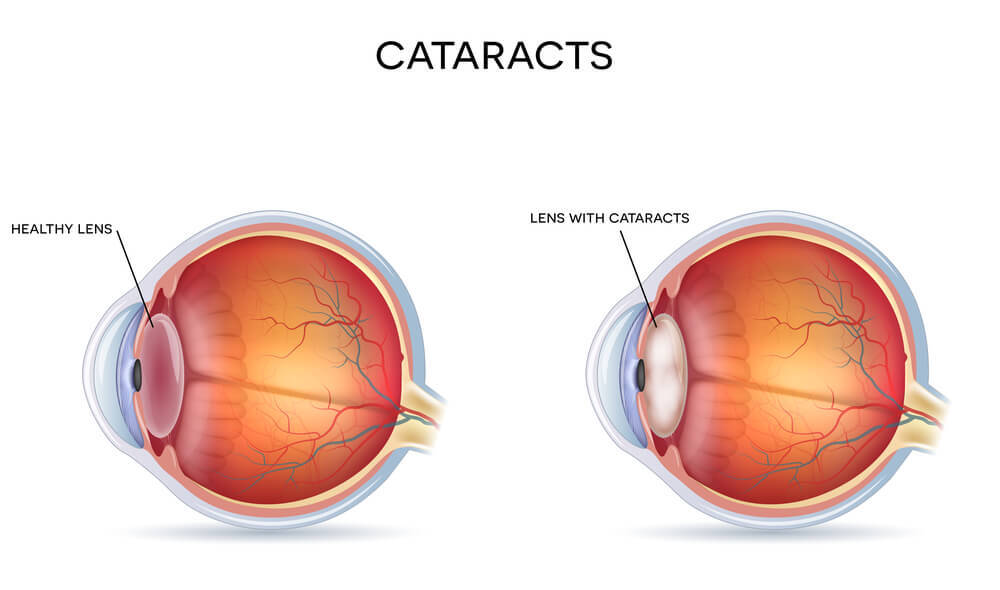
A cataract forms when proteins inside the eye’s natural lens start to break down and clump together. This creates cloudy patches on the lens that block or scatter light as it enters the eye.
Your natural lens sits just behind the colored part of your eye (the iris) and is normally clear. It works to focus light onto the back of your eye so you can see sharp images. When proteins build up on the lens surface, that clarity fades. Over time, the clouded area grows larger and thicker, making it harder to see.
Cataracts usually develop in both eyes, though one side may progress faster than the other. Because this process happens gradually, many people don’t realize their vision has changed until a routine eye exam picks it up.
At What Age Do Cataracts Typically Start?
Cataracts can begin forming as early as your 40s or 50s. At this stage, the protein changes in the lens are usually minor and don’t cause any noticeable symptoms. Most people in this age group have no idea anything is happening inside their eyes.
By the time a person reaches their 60s or 70s, cataracts tend to become more apparent.
Early cataracts are often detected during a dilated eye exam, but they may not require any treatment at that point. Many people live with early-stage cataracts for years, sometimes even decades, before the cloudiness interferes with their ability to read, drive, or enjoy hobbies. It’s only when a cataract starts limiting what you can do that your eye doctor will bring up the topic of surgery.
Early Warning Signs You May Be Developing Cataracts
Because cataracts develop so slowly, the changes in your vision can be easy to miss at first. You might find yourself turning on extra lights to read, or squinting more than usual in bright sunlight.

Some of the most common early signs include:
- Blurred or hazy vision, almost like looking through a foggy window
- Increased sensitivity to glare from headlights or overhead lighting
- Colors that look faded, washed out, or slightly yellow
- Difficulty seeing clearly at night, especially while driving
- Needing to update your glasses or contact lens prescription more frequently
These symptoms can overlap with other eye conditions, which is one reason regular comprehensive eye exams are so valuable. A thorough exam can identify cataracts while also screening for other concerns like glaucoma, which often develops without obvious warning signs of its own.
Can You Slow Down Cataract Development?
There is no proven way to prevent cataracts entirely, since aging is the primary cause. However, certain habits and health choices can influence how quickly they progress.
Lifestyle Factors
Wearing sunglasses with full UV protection is one of the simplest steps you can take. Prolonged exposure to ultraviolet light accelerates protein breakdown in the lens. Smoking is another well-documented risk factor, as the chemicals in cigarette smoke contribute to oxidative damage in the eye.
Medical Factors
Certain health conditions and medications can accelerate cataract growth. Diabetes is one of the most well-known contributors, as elevated blood sugar levels can cause the lens to swell and become cloudy faster. Long-term use of corticosteroid medications, whether taken orally or as eye drops, has also been linked to earlier cataract formation. A previous eye injury or eye surgery can increase the risk as well.
When Cataract Surgery Becomes the Right Choice

Cataract surgery is generally recommended once cataracts make it difficult to carry out everyday tasks. If reading a book, watching television, or driving at night has become frustrating or unsafe, it may be time to discuss your options with your eye doctor.
During the procedure, the clouded natural lens is removed and replaced with a small, artificial lens called an intraocular lens (IOL). The surgery itself takes about ten minutes and is performed on an outpatient basis, meaning you go home the same day.
Dell Laser Consultants, a leading provider of advanced cataract care in Austin, offers a range of premium lens options designed to reduce or even eliminate the need for glasses after surgery.
For patients with early-stage cataracts who are also bothered by their dependence on glasses, refractive lens exchange is another option to consider. This procedure is virtually identical to cataract surgery but is performed before the cataract has fully developed. It replaces the natural lens with an IOL, providing clear vision at multiple distances while also preventing a cataract from forming in the future.
Protecting Your Vision at Every Age
Cataracts are a normal part of getting older, and nearly everyone will experience them at some point. The timeline varies from person to person, but changes in the lens can start as early as your 40s. Staying consistent with regular eye exams gives your doctor the best chance of catching cataracts early, monitoring their progress, and guiding you toward treatment at the right time.
Are you noticing changes in your vision that could be related to cataracts? Schedule an appointment at Dell Laser Consultants in Austin, TX, today!